
10 Web Design Trends That Are Shaping Modern Websites in 2026
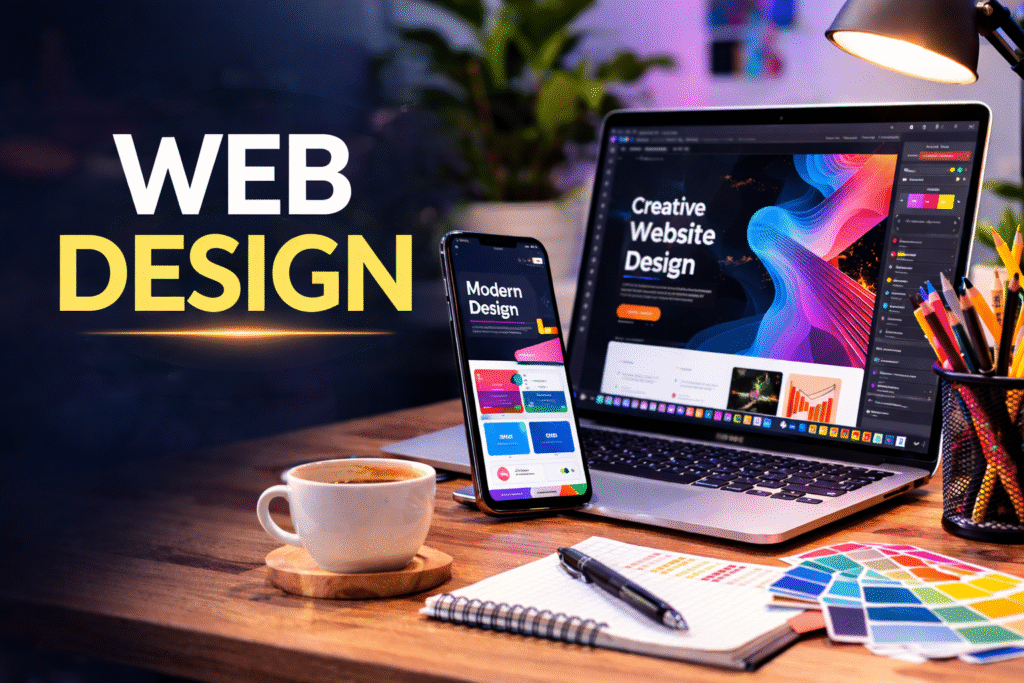
Web design changes as a result of higher consumer demands coupled with the increasing number of technology advancements. Because more companies rely on their websites to attract new clients, convey relevant information and establish their credibility, modern sites must meet the criteria of looking appealing, having an easy-to-use interface and working across a variety of different devices. The primary goal of web design in 2026 will be to create websites that offer the quickest, most effective and most enjoyable user experience possible.. By finding out what the current trends are allows businesses to design websites that will engage visitors and help motivate them to want to see more pages. 1. Minimalist & Clean Designs Minimalism has become an extremely popular design trend among today’s modern websites. Designers are taking away all unneeded elements, leaving the focus on simple designs that encourage visitors’ attention on the focal elements of each page. Customers generally find it easy to read content when the layout is clean and also understand what the purpose of the website is in a very short amount of time. Properly utilizing white space increases readability and creates the overall appearance of professionalism. 2. Mobile First Design As mobile phone usage continues to increase, mobile first design has become one of the highest priorities when it comes to web design. By designing your website for the smallest display screen first before moving on to bigger displays creates a better experience when viewing your site on any device. A mobile responsive site will provide visitors with better navigation, readable text and images that fit properly in proportion to their device; therefore, improving the user’s experience on your site and encouraging them to spend more time exploring your site. 3. Designing for Dark Mode The rise of dark mode as an option on several digital platforms has been a key factor in creating happy users. Dark themes offer comfort to the viewer, especially in low-lit areas. Bright coloured text on a dark background conveys an image that is modern and stylish; many people prefer this mix. 4. Modernised Interactive Page Elements Modern web pages are made more interactive to attract users and keep them engaged. Designers typically accomplish this through animation, hover states and dynamic scrolling. 5. Designing Websites For Everyone Designers are using artificial intelligence (AI) more frequently to develop websites for their customers. This technology helps websites to track users’ behavior and provide them with content that suits their individual preferences. This demonstrates that business has an increased likelihood to suggest products to their client base and remain connected with their client base. 6. Making Websites Accessible To Everyone When creating a web site to be web accessible should be a top concern. Web designers should consider ways on how they could make the creation of websites to become as accessible for the diversity of physical capabilities of individuals. Some reasons why there may be issues with providing accessibility are poor font choice and size; poor color contrast; and poor website navigation. 7. Small Animated Graphics Small moving images (or micro animations) can enhance how users interact with a website. Users will see micro animations in many parts of a website, including the buttons; icons; and loading indicators. Micro animations allow users to engage with the web and interact with the web in a more engaging manner. 8. Voice Search For Navigation With the use of voice assistants in the consumer marketplace, more and more users are using voice search as a way to navigate through a website. Voice search allows the user to search for any product or service in a very efficient manner without having to type anything. As voice technology continues to expand, it is expected that more and more websites will be designed to support the navigation of a site using the voice of the consumer. The presence of interactive items on a web page helps to give the visitor a sense of responsiveness from the web page while simultaneously providing a reason to visit different areas of the website. 9. Website Speed and Performance Web designers consider website speed to be one of the most critical elements of design. When a user accesses a web page, they are generally expect to see the content instantly appearing upon request. The user will be more likely to abandon the page before being able to enter into the content if it takes time for the page to load. The Improvement of the performance of a website can be further achieved by using image optimisation, limiting the amount of incorrect or wasted scripts, and using code standards for better performance. 10. Using Custom Graphics and Illustrations Some websites are choosing to eliminate generic stock photos as content and replace them with original graphics. Custom graphics create a memorable and unique brand experience through imagery on a website, whereas generic imagery does not create the same impact. Using custom imagery will often simplify complex concepts and ideas within the content of the website, leading to higher levels of user engagement and satisfaction. Wrap Up The modern-day web continues to develop as technology advancements and user needs progress. Today’s websites will have a simple layout, a fast load time, an accessible design, and/or will have interactive elements. Businesses that have adopted today’s top web design trends will provide an outstanding experience to their visitors on their sites and receive more traffic. With the continued evolvement of the web and daily introduction of new technologies and features that users expect, keeping up with current web design trends will help your websites remain competitive and relevant as the digital world continues to grow and change quickly.