Everything today is on the Internet; from communications to banking to shopping and much more; this makes life easy, but it has some risk associated with it. Cyber Security is ensuring you are protected from unauthorized access to your personal files/information and/or hacking. This article explains Cyber Security in simple terms so that everyone can understand and also use the information to keep themselves safe.
Cyber Security
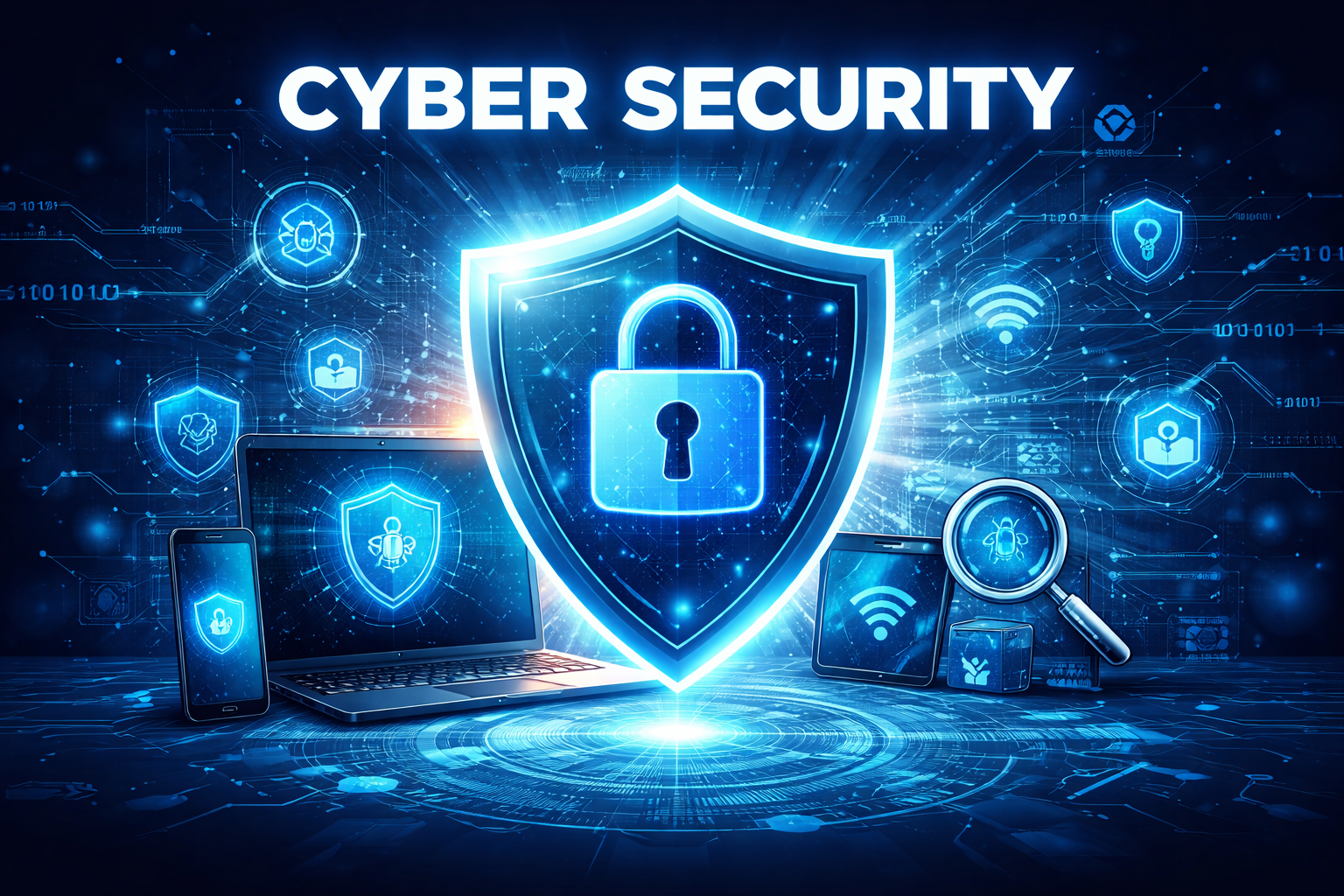
Cybersecurity is the protection of computers, mobile devices, networks, and data from unauthorized access or attack. Hackers constantly develop new ways to gain access to data, so protecting your personal and business data (computers, mobile devices, networks, etc.) with a good level of protection is essential.
One of the major elements of this security is Cyber Intelligence, the ability to determine potential risks that may result in actual harm before they happen. Cyber Intelligence includes collecting and reviewing intelligence-based information that may be used to prevent attacks against you or your business.
Why Digital Protection is Important
Every time you use the Internet, whether you are purchasing something, communicating with someone on social media or sending an email, you are providing a certain amount of your private information. The ability to protect that information from being stolen or misused is paramount to your ability to function in today’s society.
Examples of digital security risks include:
- Weak passwords may be easily hacked
- Using public Wi-Fi may make your data open to theft
- Phishing or spoofing email may trick you into providing sensitive data.
Cyber Defense
Cyber defense is all about defending systems from attacks. There are lots of tools that can be used to do this; things like firewalls, antivirus programs, and encrypting data. The goal of these tools is to create a barrier between the cybercriminals and your data.
Many organizations use managed security services, which provide constant 24-hour monitoring of their systems, and therefore, provide quick detection and response to any unauthorized or suspicious activity.
The Role of Intelligence in Providing Security
Modern security systems use cyber defense intelligence to analyse the patterns of attacks. Instead of just reacting to an attack, the systems now have the ability to predict the likelihood of an attack based on prior historical data, and, in essence, become proactive with respect to security. By becoming more proactive in response to threats, the systems are also becoming quicker and stronger at preventing damage to their systems.
The ability of these security systems to learn and evolve is another key aspect of their design. By accumulating more data through time, these security systems will develop greater accuracy at identifying new types of cyber attacks on a regular basis. This ability to learn and improve means that security features will remain current whilst hackers continue to develop new methods of attack against computers.
In addition to learning and evolving, a second important trait of intelligent security solutions is faster response times. Because intelligent security solutions are able to automatically detect and respond to threats more quickly than traditional technologies, the amount of time that it takes to contain an attack is greatly reduced. Therefore, not only does this minimise possible damage during an attack, but it also helps to ensure that your system continues to perform at its best and that your customers continue to have faith in you.
Intelligence in security can be described as a wise security guard that not only watches what is occurring at your facility, but has the ability to anticipate what may occur in the future based on previous activity. By remaining alert, agile, and using proactive methodology, modern security technologies are becoming stronger, faster, and more dependable with respect to protecting their respective digital environments.
The Impact of Artificial Intelligence on Security
The technology that has made possible the creation of computer systems is being developed everyday, and therefore the technology to protect these systems is being developed at an ever increasing rate as well. Today, the use of artificial intelligence (AI) in cybersecurity is helping to automate the detection and response to threats. The use of AI systems in analysing large amounts of data allows for the analysis of the data in a very short period of time (within seconds), and to thus identify behaviours that are not normal.
As with traditional cyber defence technologies, the use of AIs in cybersecurity helps to improve the analytical capabilities of security decision-making by learning from past attacks and adapting to future attacks. This has the effect of reducing the opportunity for human error when protecting systems and provides for an overall increase in protection to the organisation.
Early Detection of Threats Before They Strike
Detecting threats before they happen, is part of being secure, as is detecting potential cyber threats such as malware, viruses, unauthorized access, or various other forms of threat.
Detecting threats early can help:
- Avoid data loss,
- Minimize the damage caused,
- Save time and money.
The use of advanced technology that constantly watches systems for any signs of a threat will ensure a timely response to even the smallest sign of risk.
Becoming Cyber Smart
Cyber smart does not necessarily mean being technically savvy.Instead, it is simply being cognizant of where you are on the internet and what you click on.
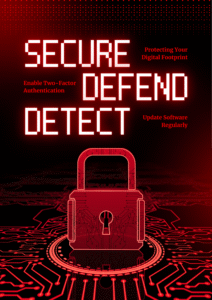
Here is a list of things that you can practice to help enhance your security against commonly occurring cyber threats:
- Create strong, unique passwords,
- No longer click on links that you do not know,
- Software should be updated regularly,
- Enable Two Factor Authentication.
By developing these very simple habits you will be able to protect yourself from most, if not all, common forms of cyber threats.
In Closing
Cyber Security is no longer a choice; it is now a requirement for businesses and individuals who are utilizing the internet in the 21st Century. Whether you are trying to protect personal information, corporate database systems or records of customer transactions, all aspects of cyber security matter and should be understood by all. The ability to avoid cyber threats, is an understanding of cyber threat activity, including the use of the right tools and/or habits. Cyber security is ultimately about being aware, taking the necessary steps to prevent an attack, and continuing to stay abreast of the most up to date information on cyber security best practices.